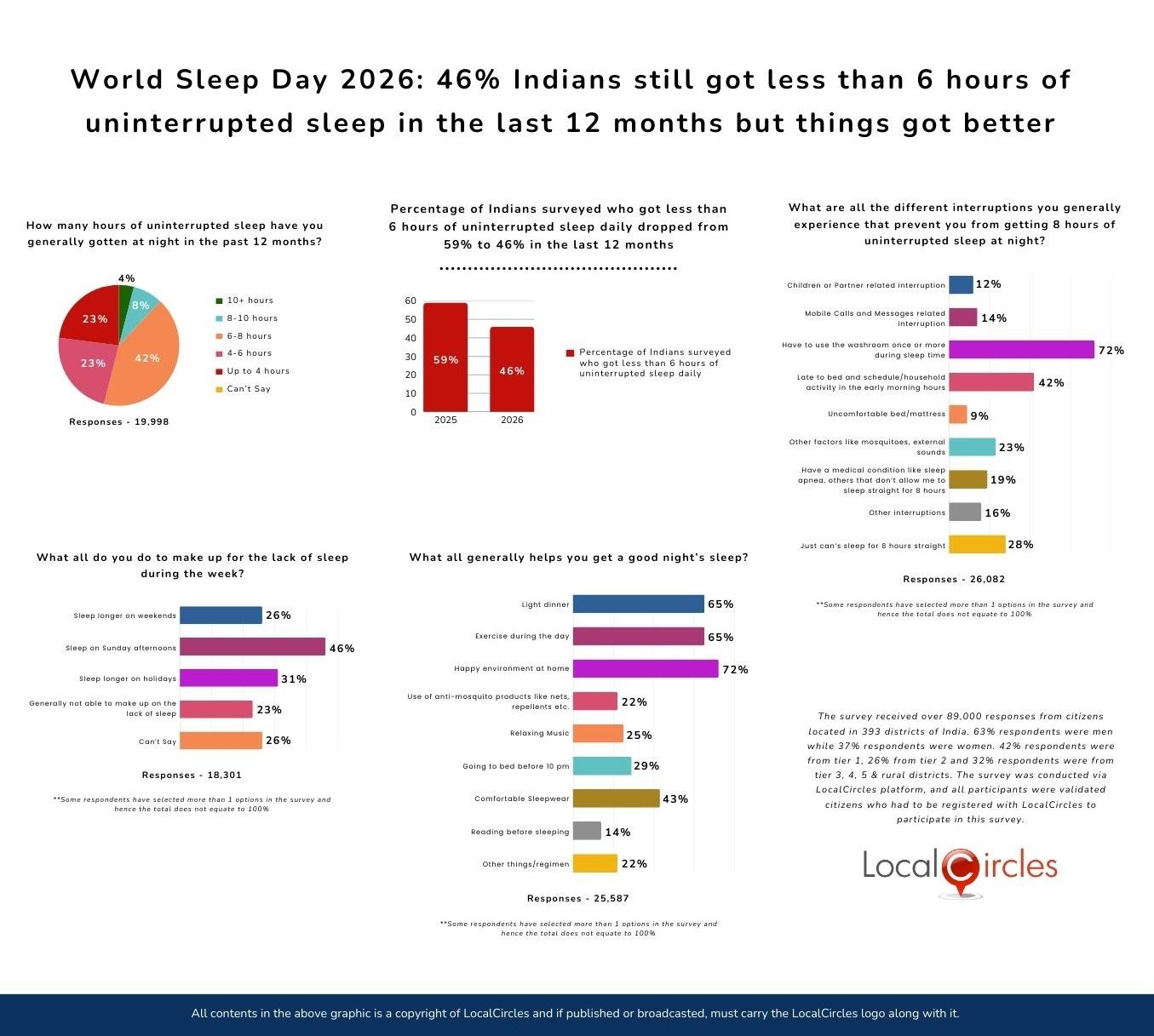
World Sleep Day 2026: 46% Indians still got less than 6 hours of uninterrupted sleep in the last 12 months but things got better
- ● Of those who slept better, 6 in 10 say light dinner, daily exercise & happy home environment helped
- ● Waking up to use washroom top disruption along with poor schedules, external sounds, etc.
- ● 59% Indians had reported getting less than 6 hours of uninterrupted sleep a year ago
- ● Nationwide study which ran for over 3 months received 89,000 responses across 393 districts
March 13, 2026, New Delhi: Each year, the World Sleep Day serves as a global reminder that sleep is not a passive state of rest but an active biological process essential for human survival, cognitive performance, and long-term health. Increasing scientific evidence now confirms that sleep is as vital as nutrition and physical activity in maintaining overall well-being.
Sleep plays a central role in attention, memory consolidation, emotional regulation, executive function, and neuroplasticity. Even short-term sleep restriction significantly impairs reaction times, decision-making, and focus. Research from Harvard Medical School shows that just one to two nights of inadequate sleep can disrupt working memory and reduce prefrontal cortex activity, affecting impulse control and judgment.
The long-term consequences are even more concerning. Chronic sleep deprivation has been linked to accelerated cognitive decline and increased dementia risk. A major analysis from the World Health Organization’s Study on Global Ageing and Adult Health (WHO-SAGE) found a significant association between poor sleep quality and reduced cognitive performance among older Indian adults, particularly men. Insufficient and fragmented sleep were associated with lower scores in memory and executive functioning. Recent global meta-analyses further suggest that persistent insomnia increases the risk of Alzheimer’s disease, possibly due to impaired clearance of neurotoxic proteins during deep sleep.
Beyond health, the economic burden of sleep deprivation is staggering. A landmark study by the RAND Corporation estimated that insufficient sleep costs five major economies up to $680 billion annually through lost productivity, workplace accidents, healthcare expenses, and premature mortality. With increased digital exposure and post-pandemic stress, experts believe these losses may now be even higher, particularly in rapidly developing economies like India.
India is facing what many researchers describe as a silent sleep epidemic. Recent surveys suggest that nearly 60% of Indian adults are chronically sleep deprived, with urban professionals averaging barely six hours of sleep per night. Adolescents and young working adults are particularly vulnerable due to screen overuse, erratic schedules, and high stress levels. Medical studies now link chronic sleep loss in Indian populations to rising rates of anxiety, depression, hypertension, metabolic disorders, cardiovascular disease, impaired academic performance, and even dermatological conditions.
Healthcare professionals themselves are not immune. A pilot study titled “Sleep and Exercise among Young Doctors in a Tertiary Care Hospital in India,” published in the Journal of Lifestyle Medicine, found that many resident doctors slept less than the seven hours recommended by the American Academy of Sleep Medicine. While some participants reported normal daytime alertness, researchers suggested this may reflect accumulated sleep debt combined with demanding, mentally stimulating schedules. Notably, the study observed a positive association between regular exercise and subjective restoration after sleep, reinforcing broader evidence that physical activity improves sleep efficiency and slow-wave sleep.
Encouragingly, recent research highlights that sleep quality can be significantly improved through structured lifestyle interventions. Establishing consistent sleep and wake times helps regulate circadian rhythms and reduces cognitive risks associated with irregular sleep patterns.
Relaxing music with slow tempos before bedtime has been shown to reduce sleep onset latency and improve perceived sleep quality, particularly among older adults and hospitalized patients. Morning sunlight exposure strengthens melatonin regulation, while balanced diets rich in whole foods and reduced ultra-processed foods intake are associated with better sleep outcomes. Limiting blue light exposure and caffeine consumption in the evening further enhances sleep stability.
Emerging technologies are also reshaping sleep medicine. Artificial intelligence-driven sleep tracking, wearable neurotechnology, and digital therapeutics for insomnia are making personalized sleep optimization more accessible. Some digital cognitive behavioral therapy platforms have demonstrated effectiveness comparable to traditional therapy for mild-to-moderate insomnia, signaling a promising future for preventive sleep care. The scientific consensus is clear: sleep deprivation is no longer a minor lifestyle inconvenience—it is a public health, cognitive, and economic crisis. Poor sleep undermines brain health, cardiovascular function, emotional resilience, and national productivity. At the same time, the solutions are often simple and accessible—consistent routines, physical activity, stress management, reduced screen exposure, mindful diet, and evidence-based relaxation strategies.
To understand how India slept in the last 12 months, LocalCircles conducted a nationwide survey that ran between December 2025 and March 2026. The survey received over 89,000 responses from citizens located in 393 districts of India. 63% respondents were men while 37% respondents were women. 42% respondents were from tier 1, 26% from tier 2 and 32% respondents were from tier 3, 4, 5 & rural districts.
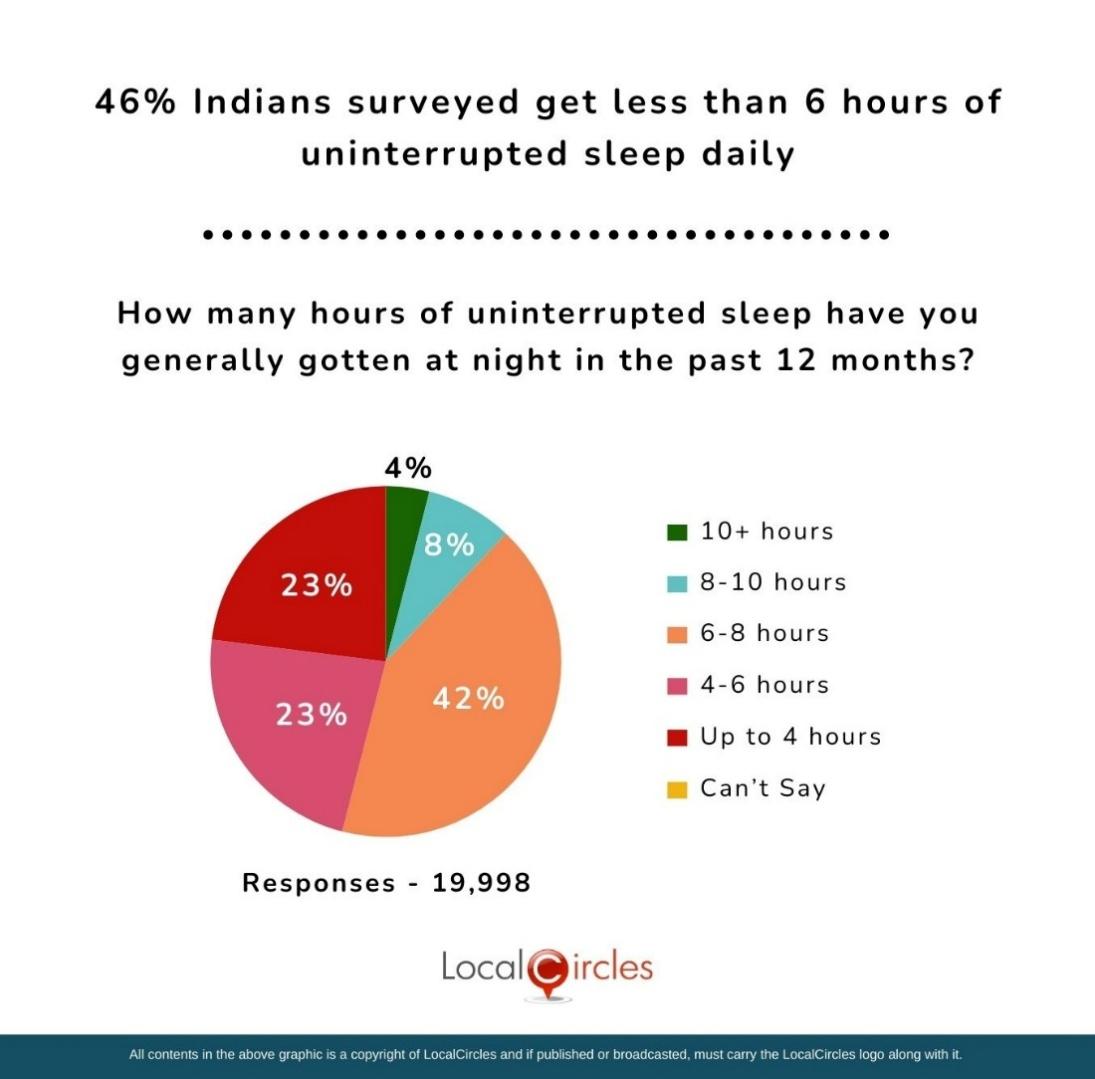
46% Indians surveyed get less than 6 hours of uninterrupted sleep daily
The survey first asked citizens, “How many hours of uninterrupted sleep have you generally gotten at night in the past 12 months?” Of 19,998 who responded to the question 4% stated “10+ hours” of uninterrupted sleep; 8% of respondents indicated “8-10 hours”; 42% of respondents indicated "6-8 hours”; 23% of respondents indicated “4-6 hours”; and 23% of respondents indicated “up to 4 hours”. To sum up, 46% of Indians surveyed get less than 6 hours of uninterrupted sleep daily.
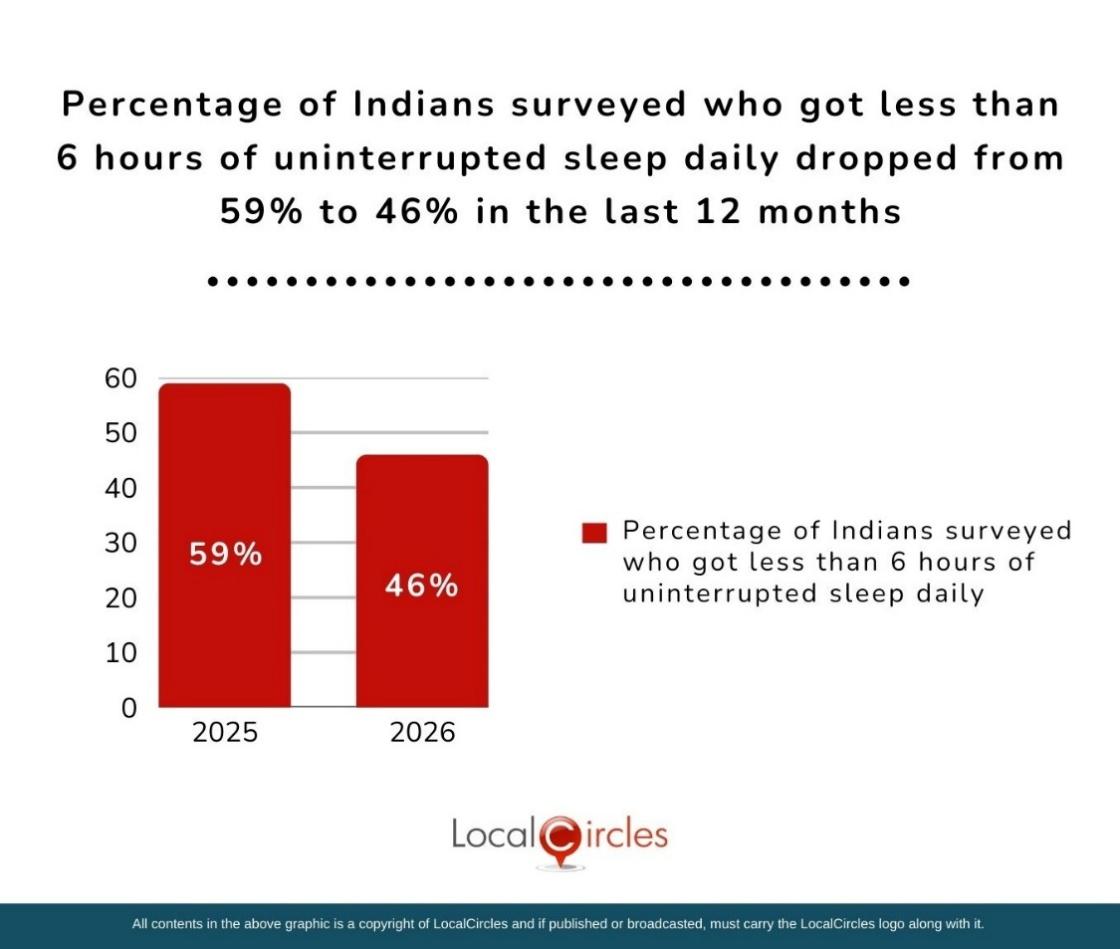
In comparison, the percentage of Indians surveyed who got less than 6 hours of uninterrupted sleep daily stood at 59% in 2025, and currently stands at 46%, indicating that there is sizeable improvement in the percentage of those getting proper sleep.
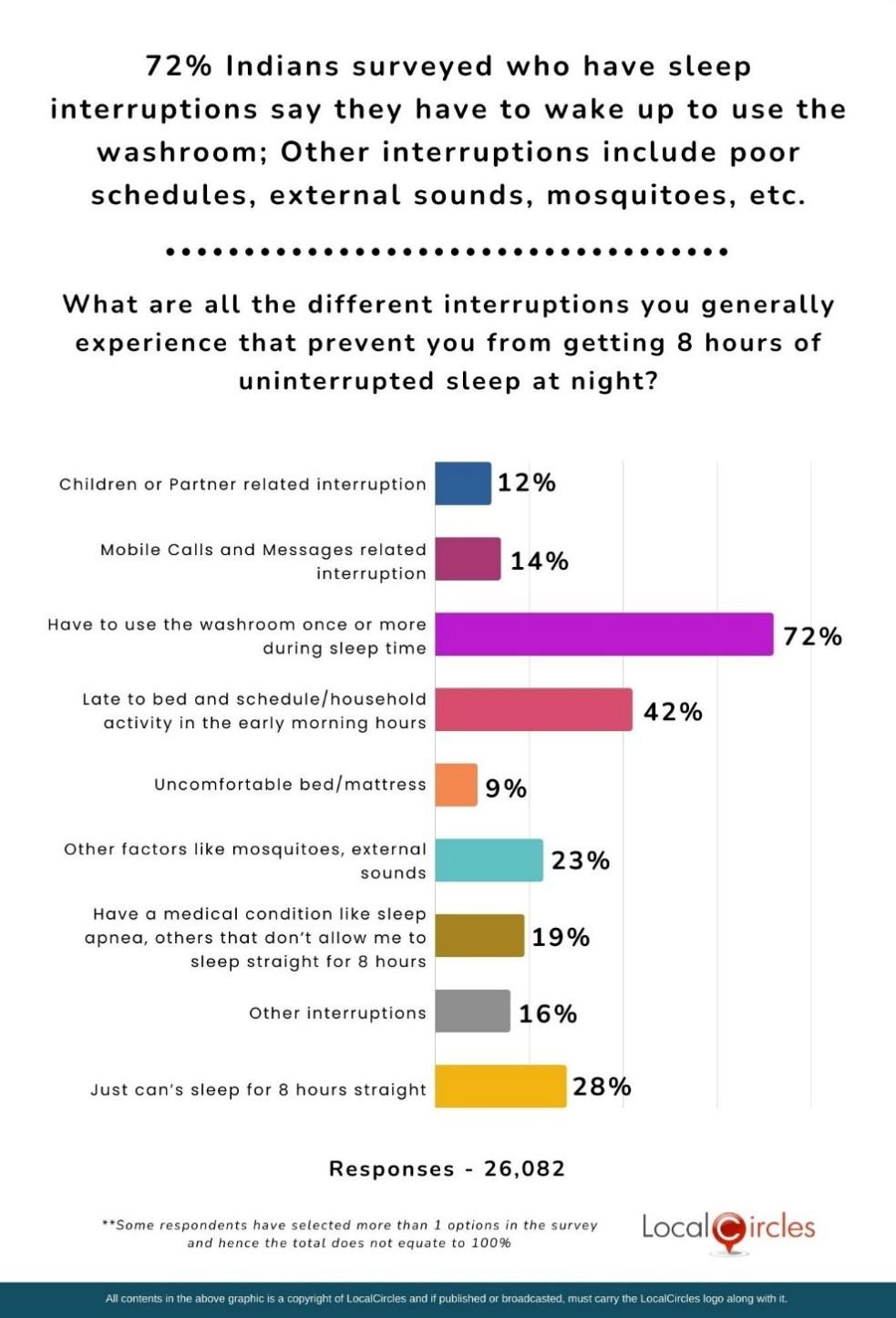
72% Indians surveyed who have sleep interruptions say they have to wake up to use the washroom; Other interruptions include poor schedules, external sounds, mosquitoes, etc.
As sleep disruption can be due to various reasons, the survey asked citizens, “What are all the different interruptions you generally experience that prevent you from getting 8 hours of uninterrupted sleep at night?" Some among 26,082 who responded to the question indicated more than one option. The largest group of 72% indicated they “have to use the washroom once or more during sleep time”; 42% of respondents indicated they go “late to bed and schedule/ household activity in the early morning hours” leading to less sleep; 19% of respondents indicated they “have medical condition like sleep apnoea, others that don’t allow me to sleep straight for 8 hours”; 14% of respondents indicated they face “mobile calls and messages related interruption”; 12% of respondents indicated they have “children or partner related interruption”; 9% of respondents stated they have “uncomfortable bed/ mattress” problem; 23% of respondents indicated “other factors like mosquitoes, external sounds”; 16% of respondents indicated "other interruptions” not indicated above; and 28% of respondents stated that they “just can’t sleep for 8 hours straight”. To sum up, 72% Indians surveyed who have sleep interruptions say they wake up to use the washroom. The other interruptions include poor schedules, external sounds, mosquitoes, etc.
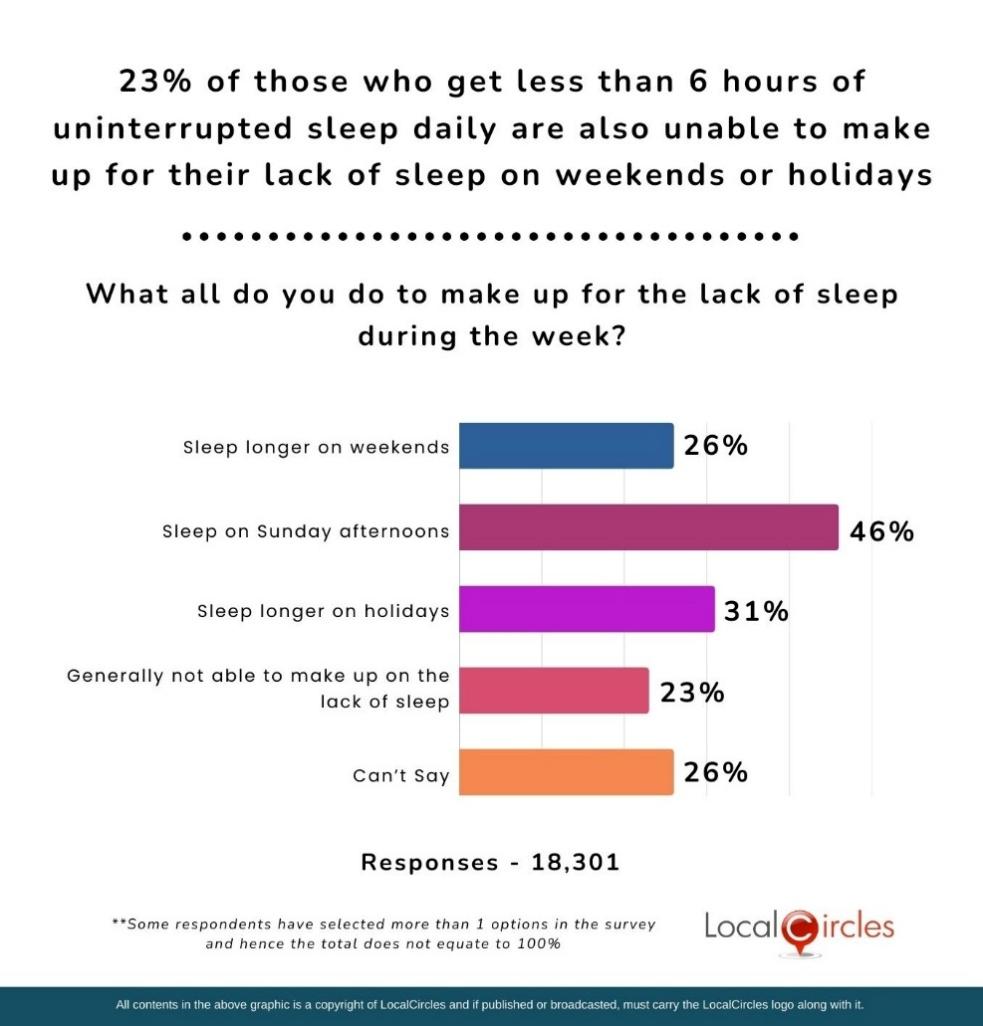
23% of those who get less than 6 hours of uninterrupted sleep daily are also unable to make up for their lack of sleep on weekends or holidays
Some people tend to use holidays and weekends to sleep for longer, but all are not so fortunate. The survey asked citizens, “What all do you do to make up for the lack of sleep during the week?” Some among 18,301 who responded to the question indicated more than one option, with 46% indicating “sleep on Sunday afternoons”; 31% of respondents indicated “sleep longer on holidays”; 26% of respondents indicated "sleep longer on weekends”; 23% of respondents indicated they are "generally not able to make up on the lack of sleep”; 26% of respondents did not give a clear answer. To sum up, 23% of those who get less than 6 hours of uninterrupted sleep daily are also unable to make up for their lack of sleep on weekends or holidays.
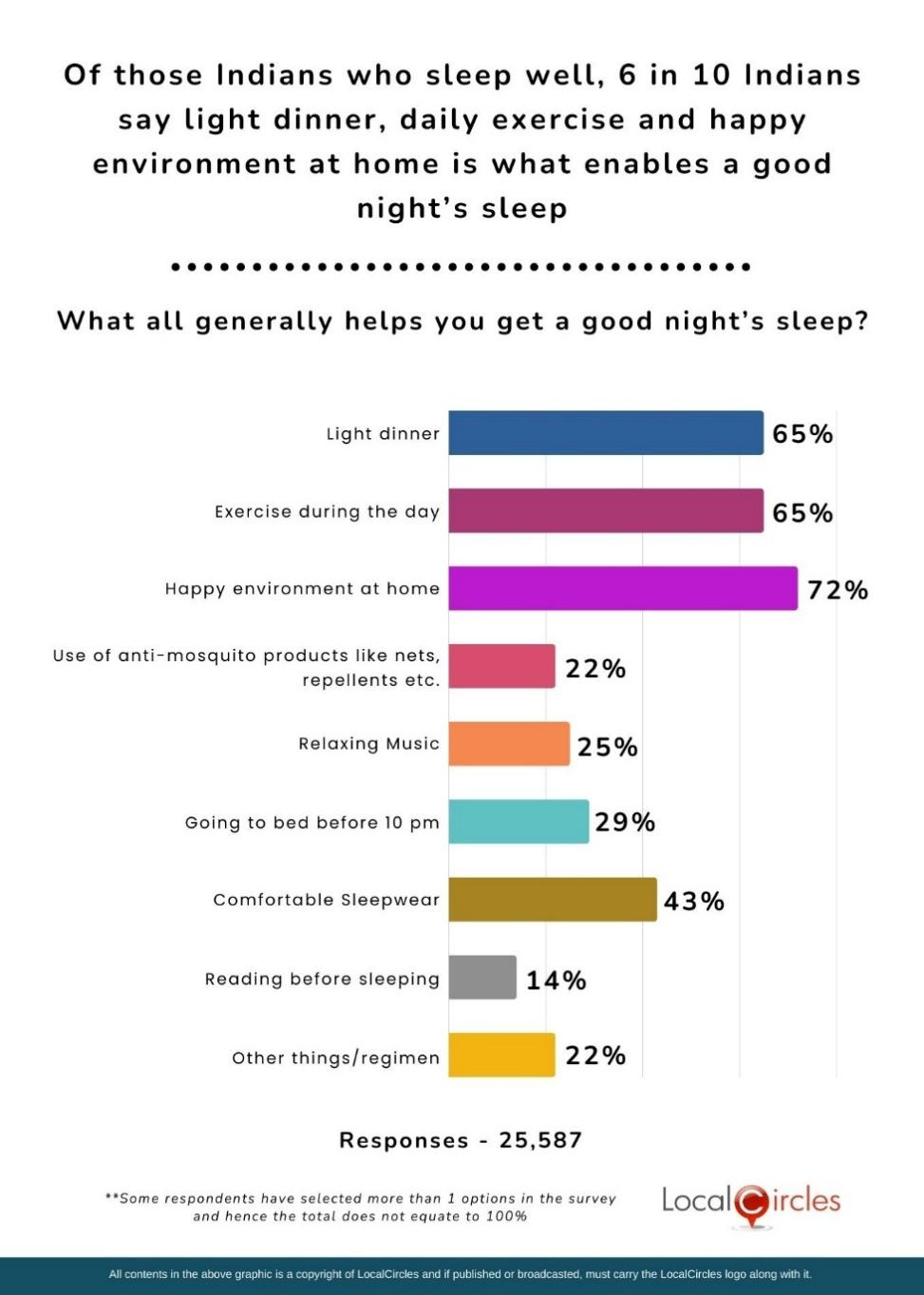
Of those Indians who sleep well, 6 in 10 Indians say light dinner, daily exercise and happy environment at home is what enables a good night’s sleep
Some people who don’t get proper sleep tend to put soothing music, eat light or early meals at night, go for a walk after dinner, etc. The survey next asked citizens who have cracked the code of getting a good night’s sleep, “What all generally helps you get a good night’s sleep?” Some among 25,236 respondents to the question indicated more than option with 72% indicating that they strive for “happy environment at home”; 65% of respondents stated that they have “light dinner”; 65% of respondents stated that they “exercised during the day”; 43% of respondents stated that they wear “comfortable sleepwear”; 25% of respondents stated that they put “relaxing music”; 22% stated that they “use anti-mosquito products like nets, repellents, etc,”; 29% of respondents stated that they “go to bed before 10 pm”; 14% of respondents stated they like “reading before sleeping” and 14% of respondents stated they do “other things/ regimen” not mentioned. In essence, of those Indians who sleep well, 6 in 10 Indians say light dinner, daily exercise and happy environment at home is what enables a good night’s sleep.
In summary, 46% of Indians surveyed got less than 6 hours of uninterrupted sleep daily in the last 12 months. Among those who have sleep interruptions, 72% say the main reason is that they have to use the washroom. Other interruptions include poor schedules, external sounds, mosquitoes, etc. Among those who get less than 6 hours of uninterrupted sleep daily, 23% of those surveyed are unable to make up for their lack of sleep on weekends or holidays. Among those who get good sleep, 6 in 10 Indians say light dinner, daily exercise and happy environment at home is what helps them do so.
Compared to 2025, when those who got less than 6 hours of uninterrupted sleep daily stood at 59%, currently this percentage stands at 46, indicating that for varied reasons including importance of sleep awareness there is sizeable improvement in the percentage of those getting proper sleep.
As research has shown and people would have experienced, a sound sleep of 8 hours ensures better health and alertness therefore there is need to explore and adopt a lifestyle that suits individuals. Employers need to note that sleep deprivation has profound negative impacts on work life—affecting productivity, performance, safety, and well-being—and it imposes massive economic costs at both the organizational and national levels so there is need to have a proper work life balance.
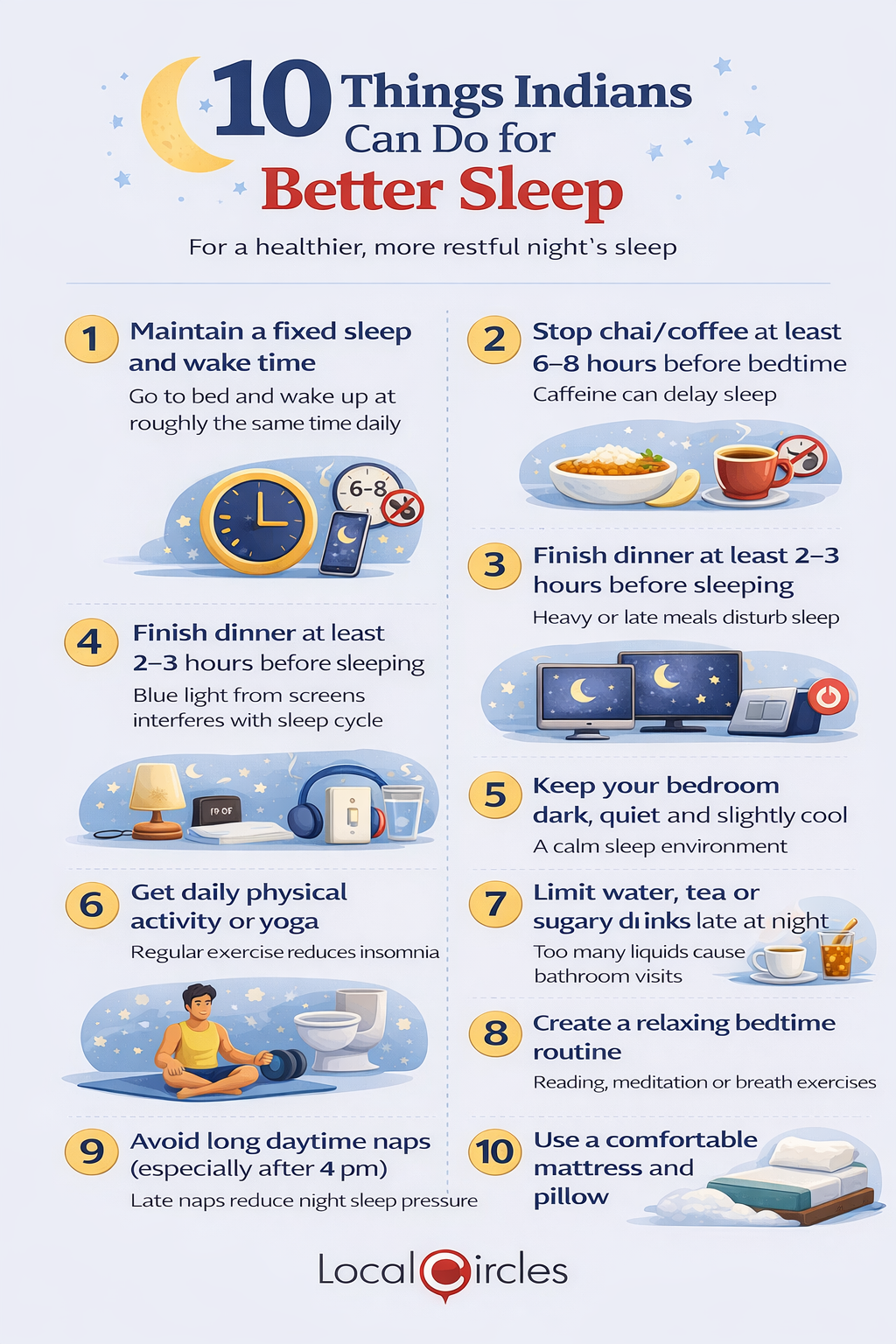
As World Sleep Day 2026 reminds us, protecting sleep is not indulgence; it is preventive medicine. In safeguarding sleep, individuals safeguard their cognitive vitality, emotional stability, and long-term health. LocalCircles shares below the key tips to sleep better, crowdsourced from citizens for the benefit of all. For nations like India, addressing the sleep crisis may well be an essential investment in future productivity, healthcare sustainability, and human potential.
Survey Demographics
The survey in the study received over 89,000 responses from citizens located in 393 districts of India. 63% respondents were men while 37% respondents were women. 42% respondents were from tier 1, 26% from tier 2 and 32% respondents were from tier 3, 4, 5 & rural districts. The survey was conducted via LocalCircles platform, and all participants were validated citizens who had to be registered with LocalCircles to participate in this survey.
Survey Methodology
This study has been conducted using the proprietary LocalCircles stratified sampling methodology. With a minimum target of 30% participation of each gender and a minimum target of 25% participation from each location group (i.e. Metro/Tier 1, Tier 2 & Tier 3-5 & rural) on each poll, all polls were run. After the minimum participation criteria were met, all polls were run till they achieved steady state. Post achievement of steady state, the LocalCircles system using the bootstrapping technique drew additional samples to test for the margin of error. All polls were found to have a margin of error under 7% and a confidence level of over 93%.
About LocalCircles
LocalCircles, India’s leading Community Social Media platform enables citizens and small businesses to escalate issues for policy and enforcement interventions and enables Government to make policies that are citizen and small business centric. LocalCircles is also India’s # 1 pollster on issues of governance, public and consumer interest. More about LocalCircles can be found on https://www.localcircles.com
For more queries - media@localcircles.com, +91-8585909866
All content in this report is a copyright of LocalCircles. Any reproduction or redistribution of the graphics or the data therein requires the LocalCircles logo to be carried along with it. In case any violation is observed LocalCircles reserves the right to take legal action.
Enter your email & mobile number and we will send you the instructions.
Note - The email can sometime gets delivered to the spam folder, so the instruction will be send to your mobile as well


